
A blocked toilet just before guests arrive, foul smells around an outside drain or water backing up in the kitchen sink all raise the same urgent question: who repairs drains? In most cases, you need a plumber or drainage specialist. The right choice depends on where the fault sits, how serious it is and whether the problem affects one fixture or your whole property.
Getting the right professional early can prevent wastewater damage, repeat blockages and an avoidable call-out bill. Here is how to tell who to contact and what good drain repair work should involve.
Who repairs drains in the UK?
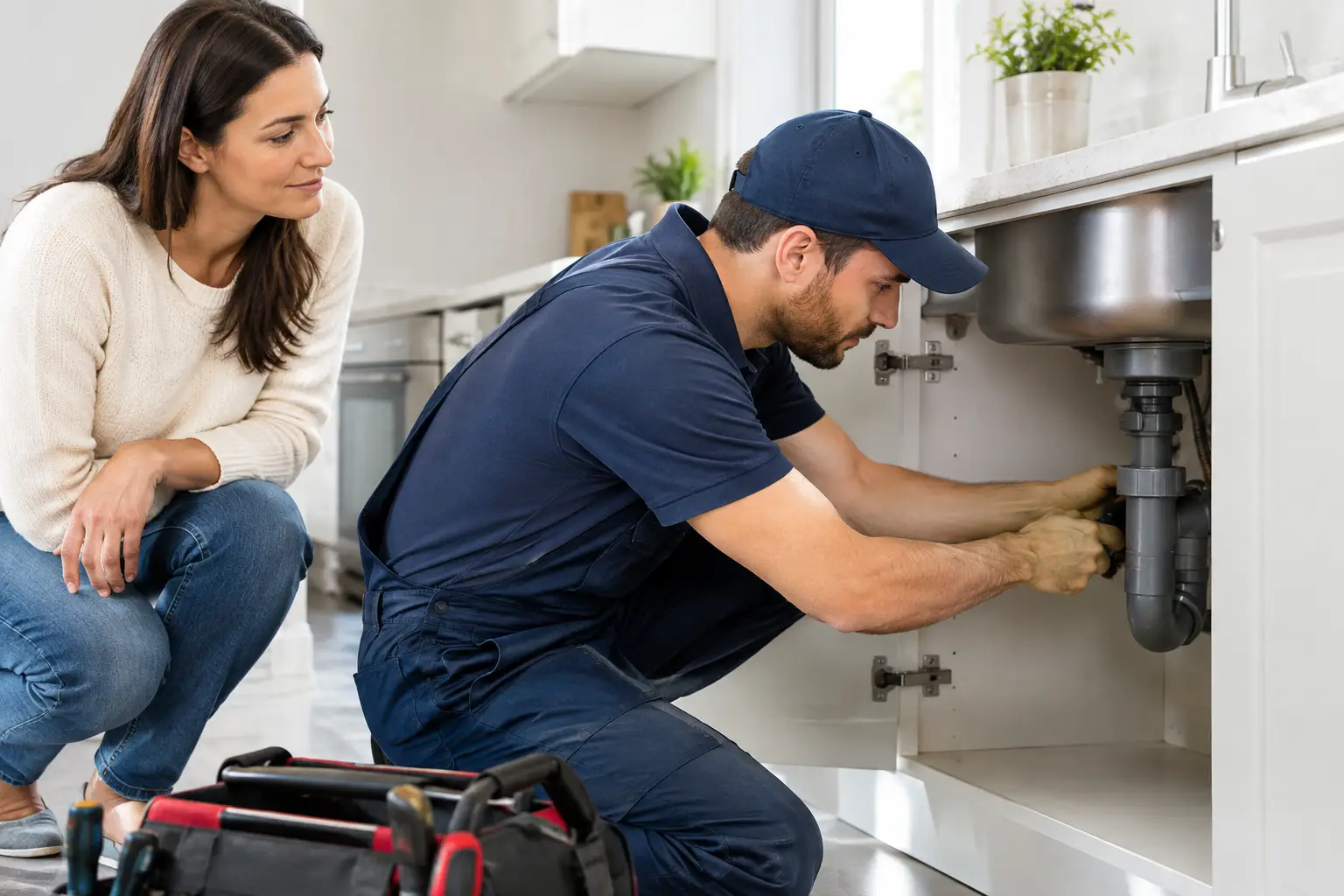
A qualified plumber can often deal with minor internal drainage problems. This includes a slow-draining basin, a blocked trap beneath the sink, a leaking waste pipe or a straightforward blockage in a toilet, shower or bath. These jobs are usually close to the fixture and can often be resolved with basic tools, replacement parts or drain-clearing equipment.
A drainage engineer or drainage contractor is normally the better choice for problems in the external pipework or underground drains. They have specialist equipment to investigate and clear more difficult blockages, including high-pressure water jetting equipment, drain rods and CCTV drain cameras. They may also carry out drain repairs, lining, excavation and replacement where a pipe is cracked, collapsed or displaced.
Some plumbing businesses offer both services, particularly for domestic jobs. What matters is not the label alone but whether the tradesperson has the equipment and experience for the issue you are facing. When posting a job, describe the symptoms clearly so a suitable local professional can respond.
When to call a plumber
Call a plumber first when the issue appears isolated inside the home. For example, one basin may be draining slowly because of soap residue, hair or debris in the trap. A toilet may have a local blockage, or a waste pipe under the kitchen sink may be leaking.
A plumber is also a sensible first contact if you are unsure whether a drainage issue is actually a plumbing fault. Low water pressure, a faulty toilet cistern and a leaking appliance connection can look like drainage problems but need a different repair.
If the plumber finds that the blockage lies beyond the internal waste pipe, they may recommend a drainage engineer. That is not necessarily an unnecessary extra step. It can be the quickest way to establish whether the problem is in your property’s underground drainage system.
When you need a drainage specialist
Choose a drainage specialist when signs point to a blockage or defect outside the property. Multiple fixtures backing up at the same time is a key warning sign. For example, flushing the toilet may cause water to rise in the shower tray, or using the washing machine may lead to gurgling from the kitchen sink.
You should also contact a drainage professional if you notice persistent unpleasant odours, overflowing inspection chambers, water pooling around an external drain or recurring blockages that return after DIY attempts. Tree roots, fat deposits, wipes, damaged pipework and a build-up of scale can all obstruct underground drains.
A drainage engineer can inspect the line with a CCTV camera where needed. This gives a clearer view of the problem than repeated clearing attempts. It can show whether the drain simply needs jetting or whether there is a structural defect that needs repair.
Emergency drainage problems
Treat overflowing sewage, wastewater entering your home, a blocked toilet with no alternative toilet available, or a drain causing a hygiene risk as urgent. Turn off appliances that discharge water into the affected drainage system, keep children and pets away from contaminated water, and avoid using sinks, toilets and showers until the issue has been assessed.
Emergency drainage call-outs can cost more outside normal working hours. However, delaying action may mean more extensive cleaning and repairs later. Ask the professional about their call-out charge, hourly rate and likely next steps before work begins where circumstances allow.
What drain repair work can include
Drain repairs are not all the same. A trusted tradesperson should diagnose the cause before recommending substantial work, especially if excavation is proposed.
For a blockage, the repair may be as simple as rodding or high-pressure jetting. Jetting removes built-up grease, silt, debris and some root ingress from the pipe. It is more thorough than a chemical drain cleaner and is often appropriate for stubborn or repeat blockages.
Where a camera survey reveals a crack, offset joint or root damage, the solution may be drain relining. This creates a new lining inside the existing pipe and can avoid digging up a driveway, patio or garden. It is not suitable for every fault. A badly collapsed section of drain may need excavation and replacement instead.
Good advice includes the trade-off. Relining can reduce disruption, but it may not be the right long-term answer if the drain has severe structural damage or poor falls. Excavation is more disruptive and may cost more, but it can be necessary to replace failed pipework properly.
Know which drains you are responsible for
Before arranging a repair, it helps to understand whether the issue is likely within your responsibility. As a general rule, homeowners are responsible for drains serving only their property up to the point where they join a shared drain or public sewer. Water companies are usually responsible for public sewers and many shared drains, but the exact position can vary.
If you are a tenant, report the problem to your landlord or letting agent promptly. Do not assume you should arrange and pay for repairs yourself, particularly for underground drains or defects caused by the condition of the property. Landlords and property managers should keep records of inspections, repairs and recurring reports, as these can help establish the cause of an ongoing issue.
For a suspected public sewer blockage, contact your water company before paying for private repair work. If the problem is on your own pipework, you can then arrange a local drainage specialist with confidence.
How to choose a trusted drain repair professional
Drain problems can feel urgent, which makes it tempting to choose the first advert you see. A little care can help you avoid unclear pricing, unsuitable work or a repair that only treats the symptom.
Look for a local tradesperson with clear experience in the work you need. For underground issues, ask whether they carry out CCTV surveys, drain jetting and repairs, or whether they subcontract parts of the job. Check recent customer feedback, confirm their identity and business details, and make sure the scope of work is explained in plain language.
Before agreeing to non-emergency work, ask for the expected cost and whether the quote includes investigation, labour, materials, waste removal and reinstatement of any ground surface. For larger repairs, get the findings in writing. A CCTV survey recording or written report can be useful if you need to speak to a landlord, insurer, water company or neighbour.
Avoid anyone who insists that a major repair is needed without showing evidence of the fault. Equally, be cautious of a very low price that only covers attendance and leaves essential work as expensive add-ons. Clear communication at the start usually leads to a better outcome.
VeriTrade UK helps homeowners, landlords and property managers find trusted local tradespeople for drainage and plumbing jobs. Give an accurate description of the symptoms, your property type and whether the issue is internal or external to help professionals assess the work properly.
What to tell the tradesperson
The more useful detail you provide, the more likely you are to be matched with the right person and receive a realistic estimate. Explain when the problem started, which fixtures are affected and whether the blockage is recurring. Mention any visible overflow, bad smells, recent building work, large trees near the drain route or previous drain repairs.
Photos can help for visible issues such as an overflowing gully or damaged cover, but never put yourself at risk to get them. Do not remove drain covers if there is flooding, suspected sewage contamination or unsafe ground around the chamber.
Can you clear a drain yourself?
Minor sink and basin blockages can sometimes be dealt with safely by cleaning the trap or using a plunger. Use gloves, place a bowl beneath the trap and follow the manufacturer’s instructions if using a suitable drain product. Avoid mixing chemical cleaners, as this can create dangerous fumes or damage pipework.
DIY is less suitable for repeated blockages, toilets backing up, external drains or any sign of wastewater overflow. Pushing a blockage further down the pipe can make the eventual repair harder. If the issue returns soon after a simple clear-out, it is time to arrange a professional inspection.
A drain problem does not always mean a major repair, but it does need the right diagnosis. Choose a plumber for local internal faults and a drainage specialist for underground, external or recurring issues. Acting early, asking clear questions and hiring a trusted local professional gives you the best chance of a clean, lasting fix.