
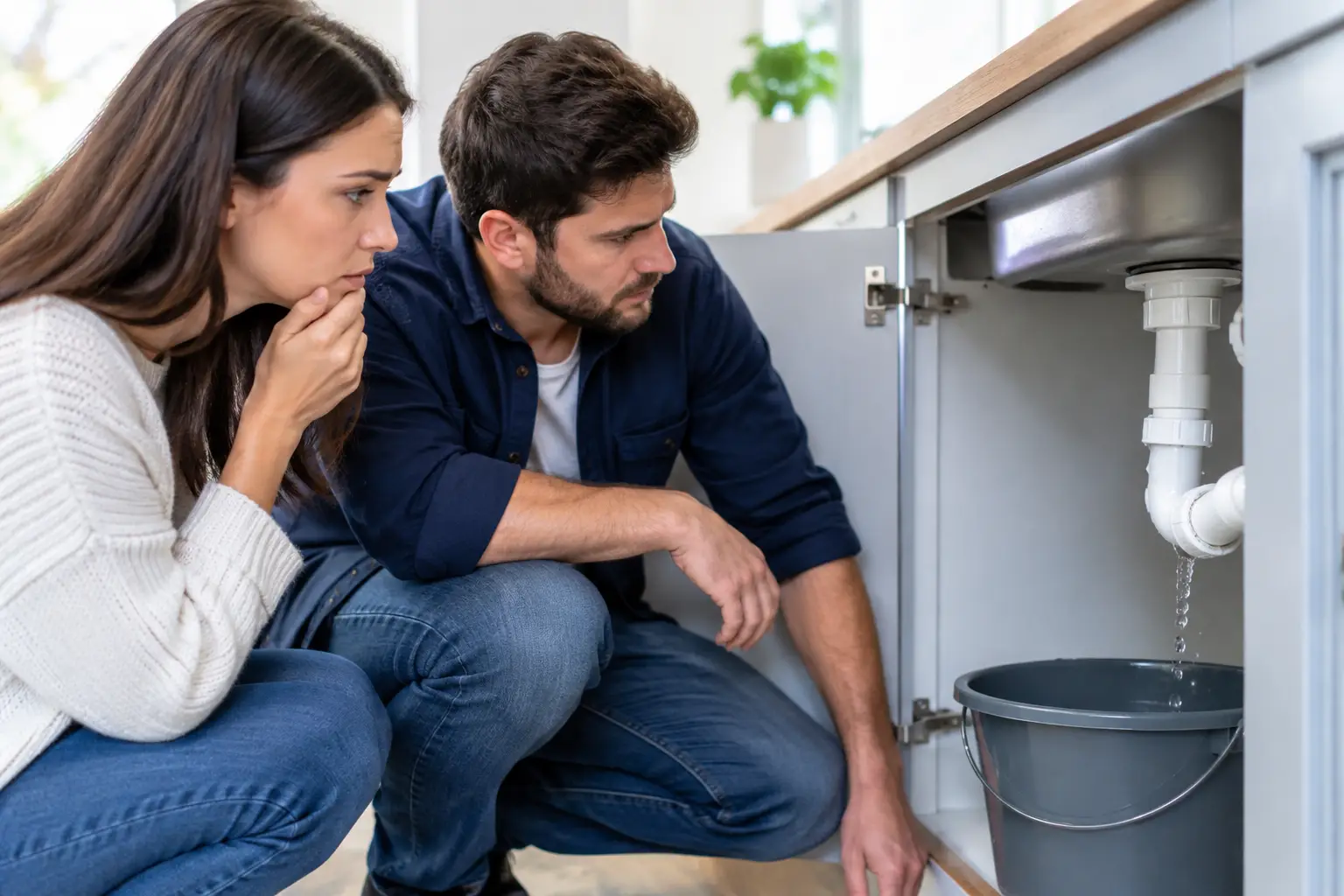
A drip under the kitchen sink can become a stained ceiling, damaged flooring and a difficult conversation surprisingly quickly. So, who pays for leaking pipes? In the UK, the answer usually depends on where the pipe is, what caused the leak, and whether you own, rent or manage the property. Acting quickly matters just as much as working out liability.
Who pays for leaking pipes: the short answer
The person responsible for repairing the pipe is not always the person who pays for the resulting damage. A homeowner normally pays for repairs to their own pipework. A landlord is generally responsible for keeping a rented home's plumbing and water installations in repair. In a leasehold flat, responsibility may sit with the leaseholder, freeholder or managing agent, depending on the lease and the location of the pipe.
Insurance can help with water damage, but cover varies. Buildings insurance may cover damage caused by an escape of water, while the repair of the worn or failed pipe itself may be excluded. Contents insurance may cover damaged belongings. Always check the policy wording rather than assuming every cost is covered.
Whatever the circumstances, do not wait for a dispute to be settled before making the property safe. Turn off the water supply if necessary, contain the leak where possible and arrange a qualified local plumber to diagnose the issue.
If you own the home
For most houses, the homeowner is responsible for internal plumbing, including pipes serving their kitchen, bathroom, boiler and appliances. If a pipe joint fails, a radiator valve leaks or a washing machine connection comes loose, you will usually need to arrange and pay for the repair.
The point where private responsibility begins can vary. The water company is normally responsible for its network up to the external stop tap or property boundary, but homeowners are often responsible for supply pipes running from the boundary into the home. If you are unsure, speak to your water supplier before arranging excavation work.
A sudden leak can cause more than a plumbing bill. If water damages plaster, fitted units or flooring, make a buildings insurance claim if your policy includes escape of water. Take photographs before clearing up, keep receipts for emergency work and report the issue promptly. Insurers may reduce or refuse a claim where a known leak was left unresolved or poor maintenance caused the damage.
What insurance is likely to cover
Buildings insurance commonly covers damage to the structure and permanent fixtures, such as ceilings, walls and fitted kitchens. Contents insurance is for movable possessions, such as furniture, clothes and electronics. Some policies also cover trace and access costs - finding a hidden leak and opening up a wall or floor to reach it - but the terms and limits differ.
The pipe repair itself is often treated as maintenance. For example, an insurer may pay for a water-damaged ceiling but not for replacing a corroded pipe that caused it. A home emergency policy can sometimes contribute to an urgent call-out, although it may have limits on labour, parts and follow-on repairs.
If you rent the property
In most private and social rented homes, the landlord is responsible for the structure, exterior and key installations for water, sanitation, heating and hot water. This usually includes pipework, sinks, baths, toilets, radiators and boilers. A leak from ageing plumbing, a defective seal or a failed pipe should normally be reported to the landlord or letting agent straight away.
Tenants still have important responsibilities. You should use the property in a tenant-like way, take reasonable care, report problems promptly and avoid causing damage. If a leak results from something you have damaged, such as a pipe broken while fitting shelves or a washing machine installed incorrectly, the landlord may seek the cost from you. Your tenancy agreement may set out additional responsibilities for appliances you own.
Do not arrange non-emergency repairs and deduct the cost from rent unless you have followed the correct process and have clear written agreement. Withholding rent can put a tenant at risk of arrears even when the repair is overdue. If water is pouring through a ceiling, however, it is reasonable to take urgent steps to prevent further damage, such as turning off the stop tap and contacting an emergency plumber after trying the landlord's emergency number.
Report it clearly and keep a record
Send the landlord or agent a written report with the time the leak was noticed, its location, photos or video, and any damage it has caused. Keep copies of messages, reports and invoices. This protects everyone: it gives the landlord the information needed to act, and it shows that you did not ignore a developing issue.
A tenant's contents are not normally covered by the landlord's buildings insurance. Renters should consider contents insurance for personal belongings, particularly where a leak has damaged furniture, carpets or electrical items.
Leaking pipes in leasehold flats
Leaks in flats are often more complicated because pipework can cross between homes or run through communal areas. The lease is the key document. It should define which parts of the building belong to the leaseholder and which are retained by the freeholder or management company.
As a general guide, pipework serving only one flat may be the leaseholder's responsibility, while communal stacks, shared supply pipes and pipes serving more than one home may fall to the freeholder. But there are exceptions. A pipe might physically pass through your flat while serving another property, so location alone does not settle the question.
If water from an upstairs flat damages the one below, avoid assuming the upstairs occupier must automatically pay. Liability often depends on negligence or failure to act after being made aware of a problem. The buildings insurer may initially deal with insured damage, then decide whether it can recover costs from a responsible party. Notify the managing agent and insurer without delay, and ask who is arranging the repair.
When a tradesperson may be responsible
A plumber is not automatically liable simply because a pipe starts leaking after work has been completed. The cause needs to be established. If the leak results from defective workmanship, an incorrectly fitted component or damage caused during the job, the tradesperson may be expected to put it right under their contract and consumer law obligations.
Raise concerns quickly, provide clear evidence and give the original trader a reasonable opportunity to inspect the work. Using a different plumber for an emergency repair may be necessary where the property is at risk, but keep photos, the failed part if practical, and a written report of what was found. This can be useful if there is a dispute over fault.
For homeowners and landlords, choosing a trusted local tradesperson helps reduce the risk of poor work and unclear accountability. Ask for a written scope, confirmation of costs and an invoice that records what was repaired. VeriTrade UK can help you find verified local professionals for planned plumbing work or urgent repairs.
What to do as soon as you find a leak
The immediate priority is preventing damage and keeping people safe. Turn off the internal stop tap if water is flowing freely. If water is close to sockets, wiring or electrical appliances, do not touch them and switch off the electricity at the consumer unit only if it is safe to do so. In serious cases, contact an emergency plumber and your insurer's emergency claims line.
Then photograph the source of the leak, affected rooms and damaged possessions. Move items out of harm's way, use towels or containers to limit spreading water, and ventilate the area when safe. Do not cover up damp walls or ceilings before they have been assessed and dried, as trapped moisture can lead to mould and further deterioration.
Tell the right person quickly: your landlord or agent if you rent, the managing agent if the leak may involve shared pipework, and your insurer if there is likely to be a claim. A professional plumber can identify whether the issue is a failed fitting, frozen pipe, blocked waste, appliance connection or a hidden leak. That diagnosis is often what clarifies who should pay.
Preventing the next plumbing bill
Small warning signs deserve attention. Slow drips, low boiler pressure, unexplained damp patches, a persistent musty smell or a higher water bill can all point to a leak before major damage occurs. Do not use temporary tape repairs as a long-term solution, especially on pressurised pipes.
In cold weather, keep the heating at a suitable background temperature, know where the stop tap is and protect exposed pipework. Landlords should respond to reported plumbing defects promptly, while tenants should report issues early rather than hoping they disappear. A quick repair is usually cheaper than restoring a water-damaged home.
When responsibility is unclear, focus first on stopping the leak, documenting the damage and getting a qualified diagnosis. Those three steps give homeowners, tenants, landlords and insurers the clearest route to a fair decision and a properly repaired property.