
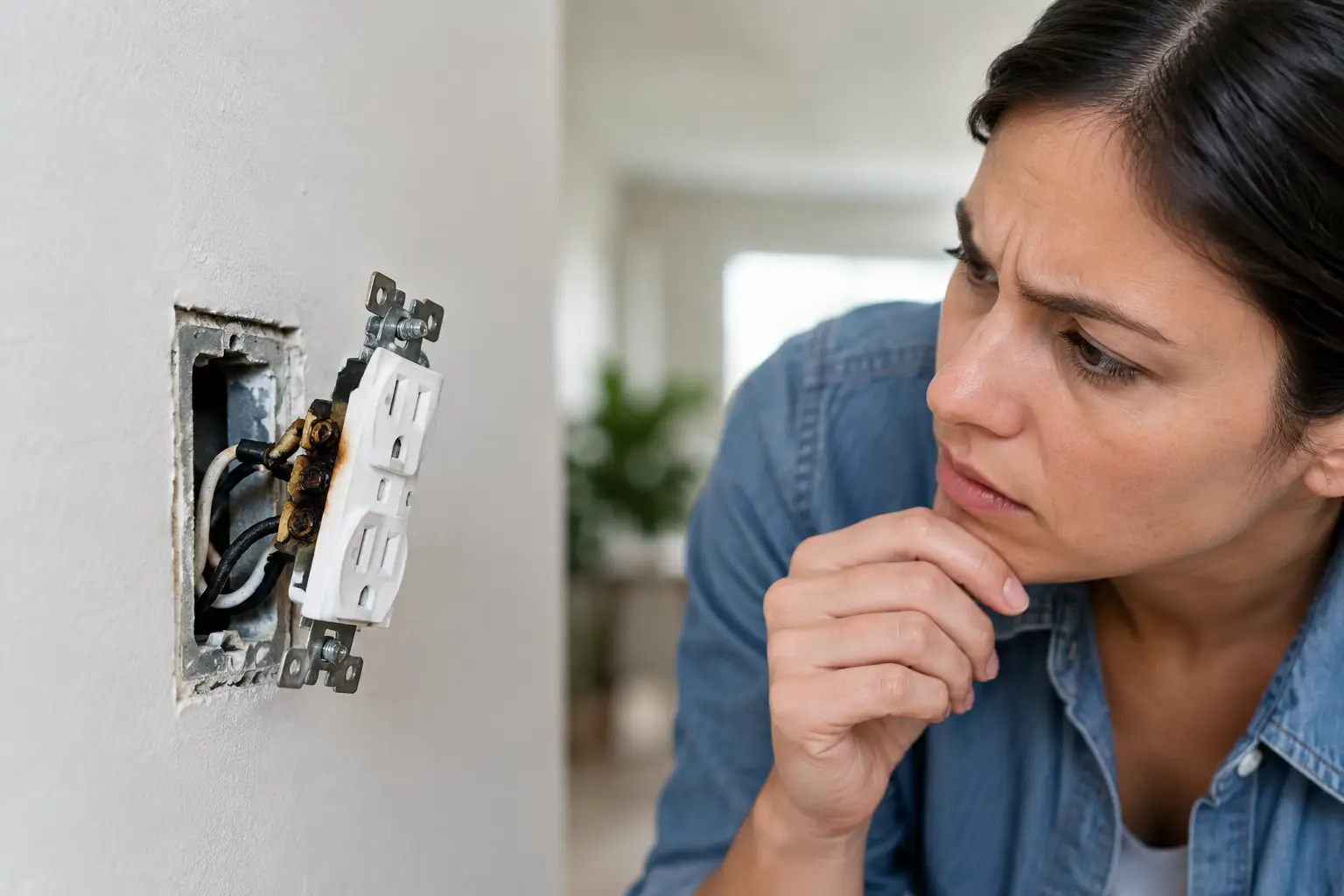
A socket that feels warm after charging your phone, a light that flickers when the washing machine starts, or a faint burning smell near a switch should never be brushed off as a minor household quirk. These are among the top signs of unsafe wiring, and acting early can help prevent electric shock, damage to appliances and the risk of fire.
Electrical faults are not always dramatic. Older installations can deteriorate gradually, while a recent alteration may have been completed poorly or overloaded by modern demand. Whether you own a house, rent a flat or manage several properties, knowing what to look for helps you make a safer, faster decision about calling a qualified local electrician.
Top signs of unsafe wiring to take seriously
1. Flickering, dimming or unreliable lights
A bulb can flicker simply because it is loose or nearing the end of its life. But if several lights flicker, lights dim when an appliance switches on, or one room repeatedly loses power, the issue may sit deeper in the circuit.
Loose connections, overloaded circuits and faults in the consumer unit can all cause inconsistent lighting. Do not keep replacing bulbs in the hope the problem disappears. Make a note of when it happens and which appliances are running, then arrange for an electrician to investigate.
2. Sockets, switches or plugs that feel warm
A plug or socket may feel slightly warm after extended use with a high-demand appliance, but it should never be hot to the touch. Heat can point to a poor connection, damaged socket, overloaded extension lead or failing component.
Switch off and unplug the appliance if it is safe to do so. Avoid using that outlet until it has been checked, especially if you see discolouration, melting, scorch marks or cracked plastic. A warm socket is not something to test repeatedly - it needs attention.
3. Burning smells, buzzing or crackling sounds
Electrical wiring should operate quietly and without smell. A persistent buzzing from a socket, switch, light fitting or consumer unit can indicate a loose connection or arcing, where electricity jumps across a gap. Crackling has the same potential warning value.
A burning or fish-like smell around electrical fittings can signal overheating insulation or damaged wiring. If you can identify the affected circuit without touching anything damaged, switch it off at the consumer unit. If there is smoke, visible sparking or fire, leave the property if necessary and call 999.
4. Circuit breakers that keep tripping
A circuit breaker is designed to trip when it detects a fault or overload. An occasional trip after running too many power-hungry appliances on one circuit may have a straightforward cause. Repeated tripping, however, is a warning that should not be ignored.
Do not keep resetting the breaker without finding out why it has tripped. Unplug appliances on the affected circuit and seek professional advice. The fault could be an appliance, but it could also be damaged cabling, moisture ingress or a problem within the fixed installation.
5. Frequent blown fuses or old-style fuse boards
Older fuse boards are not automatically unsafe, but they may not offer the same level of protection as a modern consumer unit with RCD protection. Rewireable fuses, missing labels, damaged covers and a lack of test buttons are all reasons to have the installation assessed.
If fuses blow regularly, do not fit a larger fuse or improvise a repair. That can allow cables to overheat before protection operates. An electrician can identify whether the issue is excessive demand, an appliance fault or wiring that needs repair or upgrading.
6. Damaged cables, exposed wires or loose fittings
Frayed flexes, split cable insulation and loose sockets are visible hazards. They are especially common around portable heaters, kettles, extension leads, outdoor equipment and areas where cables get trapped under furniture or doors.
Fixed wiring can also become unsafe when a socket pulls away from the wall, a light fitting hangs loose, or cable is visible where it should be protected. Keep people and pets away from the area, avoid touching exposed conductors and arrange a repair promptly. Tape is not a safe permanent fix.
7. Shocks or tingling from appliances and fittings
Any electric shock from a tap, appliance, switch or metal fitting deserves immediate attention, even if it seems mild. A tingle may be caused by a fault in an appliance or a problem with earthing in the electrical installation.
Stop using the item involved and do not assume rubber-soled shoes or dry hands make it safe to carry on. If someone receives a serious shock, seek medical advice. If they are still in contact with a live source, do not touch them directly - isolate the power if safe and call emergency services.
8. Overloaded extension leads and adaptors
Extension leads are useful for temporary use, not a substitute for enough fixed sockets. Daisy-chaining extension leads, packing adaptors into one outlet or running several high-wattage appliances from a single lead increases the chance of overheating.
Look out for heaters, tumble dryers, washing machines, kettles and microwaves sharing an extension lead. High-demand appliances should normally use a suitable wall socket rather than an adaptor. If your household relies on extensions every day, more sockets or a circuit review may be the safer long-term answer.
9. Damp near sockets, lights or wiring
Water and electricity are a dangerous combination. A leak in a roof, bathroom, kitchen or utility area can reach cables and fittings long before it becomes obvious from the outside. Condensation in poorly ventilated areas can also contribute to corrosion over time.
If water is near an electrical fitting, do not touch the fitting or try to dry it while it is live. Isolate the affected circuit where it is safe to do so, deal with the source of moisture and ask an electrician to inspect the area before power is restored.
10. Wiring that is old, altered or of unknown condition
A property does not need to be very old to have outdated or poorly altered wiring. Warning signs include mixed socket styles, unfinished work, cables running loosely across walls, old fabric-covered cables, or additions that appear to have been made without care.
This matters when buying a home, renovating, adding a shower, fitting a kitchen or converting a loft. Modern homes place far greater demand on electrical systems than they once did. An Electrical Installation Condition Report, often called an EICR, gives a qualified electrician the chance to assess the fixed wiring and identify defects or improvements needed.
What to do when you spot an electrical warning sign
Start with safety, not diagnosis. If there is smoke, fire, strong burning smell, sparking or a person has suffered a shock, treat it as urgent. Isolate power only if you can do so without approaching a dangerous area, then contact emergency services where required.
For non-emergency concerns, stop using the affected socket, appliance or circuit and arrange an inspection. Take a clear photo of visible damage only if it is safe, and make a note of what happened. Details such as whether a breaker tripped, which room was affected and what was plugged in can help an electrician find the fault efficiently.
Avoid removing the cover of a consumer unit, opening sockets or attempting repairs yourself. Electrical work can look simple from the surface, but the risk may be hidden behind the wall or within the circuit. Some work in homes also falls under Building Regulations requirements, so using a suitably qualified electrician protects both the property and the people in it.
Finding the right electrician for the job
For a burning smell, repeated tripping or any sign of heat damage, prioritise a prompt call-out. For older wiring, an upcoming renovation or concerns across several rooms, ask for an inspection and clear written explanation of the recommended work. The right solution depends on the fault: it may be a small repair, a replacement socket, a new circuit or a broader rewire.
When comparing local electricians, check their qualifications, insurance, experience with the type of work required and whether they can provide certification where applicable. VeriTrade UK helps homeowners, landlords and property managers find trusted local tradespeople without the uncertainty of relying on an unverified recommendation.
Electrical warning signs rarely improve by themselves. If something feels hot, smells wrong, trips repeatedly or gives you a shock, stop using it and get a qualified professional to make the next decision safely.