
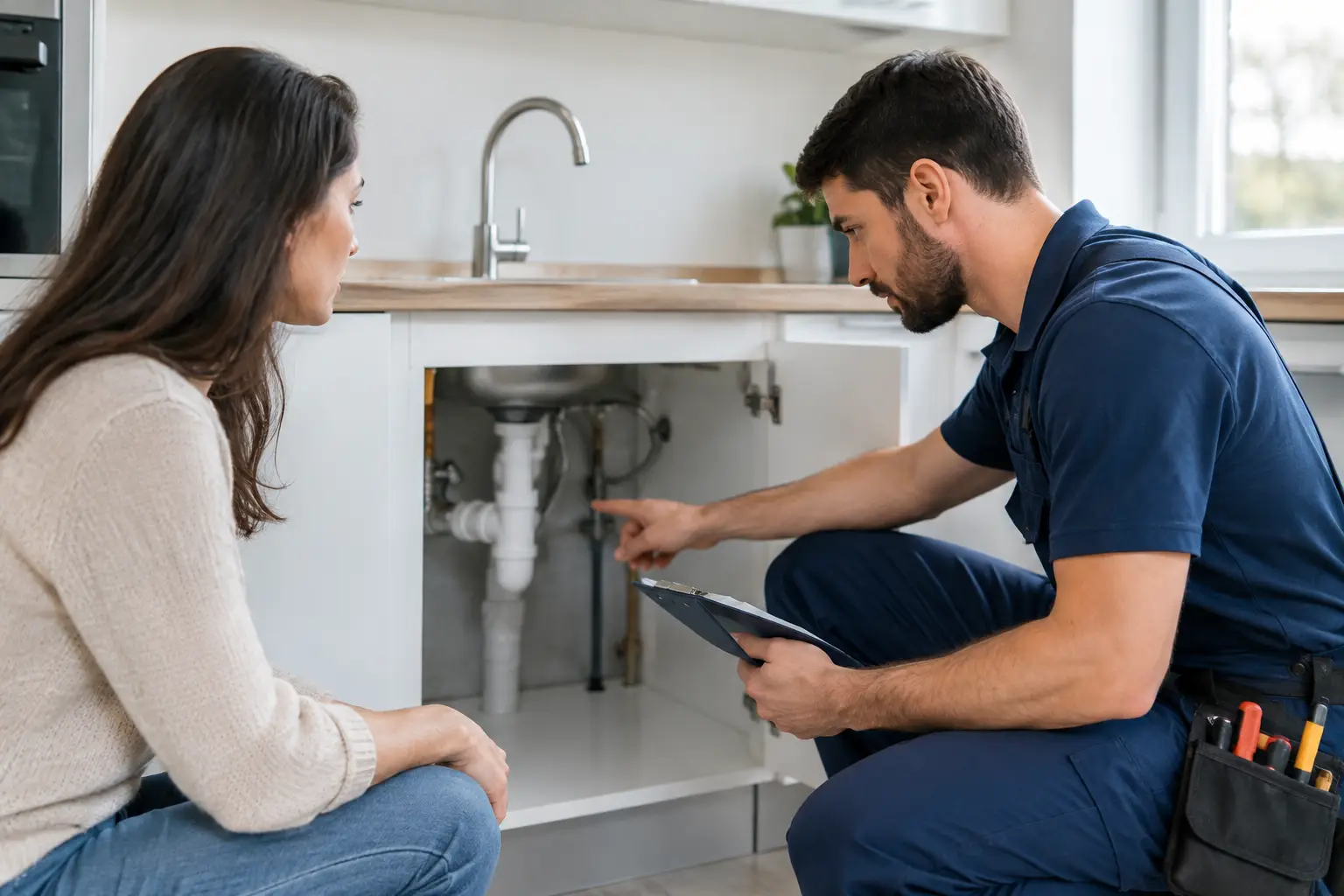
A leaking ceiling, no heating or a faulty front-door lock can turn a rented home into a stressful place very quickly. Knowing how to report landlord repairs properly gives your landlord or letting agent the information needed to act, while creating a clear record if the work is delayed.
The best approach is simple: report the issue promptly, put it in writing, include useful evidence and be clear about how the fault affects the property. Do not assume a phone call alone is enough, especially where the repair involves safety, water damage or essential services.
Know which repairs your landlord should handle
In most UK tenancies, landlords are responsible for keeping the structure and exterior of the property in repair. This usually includes the roof, walls, windows, external doors, drains, gutters and pipes. They are also generally responsible for installations supplying water, gas, electricity, sanitation, heating and hot water.
That can cover a broken boiler, leaking pipe, unsafe electrics, blocked drainage that is not caused by misuse, damp caused by a building defect, or a damaged communal entrance in a block of flats. Your tenancy agreement may also set out extra responsibilities, such as repairs to supplied appliances, fencing or shared areas.
Tenants still have responsibilities. You should take reasonable care of the home, use fixtures and appliances properly, replace minor consumables where your agreement says so, and report faults as soon as you spot them. If damage was caused deliberately or through negligence by you, another household member or a visitor, you may be asked to pay for the repair.
There are grey areas. For example, condensation caused by everyday moisture may need better ventilation and heating habits, while mould linked to a leak, defective insulation or poor ventilation may be a landlord repair. Report the symptoms and evidence rather than trying to diagnose the cause yourself.
How to report landlord repairs clearly
Check your tenancy agreement first. It should give a repairs phone number, email address, online portal or the details of the managing agent. Use the stated route, but if the problem is urgent and you cannot get through, contact every appropriate point of contact you have.
Make the first report as soon as possible. A short telephone call can be useful for an emergency, but always follow it with an email, text message or portal report. Written communication creates a dated trail and reduces the risk of disagreement over what was reported or when.
Your report should state the property address, the exact location of the issue, when you first noticed it and what has happened since. Explain the practical impact: for example, whether the home has no heating, a leak is spreading, a socket is sparking, or the only toilet cannot flush. Add photos or video where they make the problem clearer.
A useful repair report might read:
> “The boiler at 12 Example Street stopped providing heating and hot water at 7am today. The display shows an error code and resetting it has not worked. There are two children in the property. Please confirm when an engineer will attend. Photos of the display are attached.”
Keep the tone factual and direct. You do not need to know the technical name for a fault. A plumber, electrician or heating engineer can diagnose it, but accurate observations help them arrive prepared.
Ask for acknowledgement and a timescale
Ask the landlord or agent to confirm they have received your report and give an expected attendance date. There is no single fixed deadline that applies to every repair. The reasonable timescale depends on the seriousness of the problem, the risk to health or safety, the availability of parts and whether the property can still be used safely.
No heating or hot water in cold weather, a major water leak, dangerous electrical faults, insecure external doors and sanitation failures normally need urgent action. A cosmetic issue or a minor dripping tap may reasonably take longer. If an appointment is offered, confirm it in writing and make reasonable arrangements to provide access.
What to do in a repair emergency
Protect people first, then the property. If there is an immediate threat to life, a fire, suspected gas leak or a serious crime, call the emergency services. If you smell gas, turn off the supply only if it is safe to do so, avoid switches and flames, leave the property and contact the gas emergency service on 0800 111 999.
For a water leak, turn off the stopcock if you know where it is and can do so safely. Move possessions away from the affected area and take photographs before and after taking reasonable steps to limit damage. Do not touch electrical equipment near standing water.
Contact the landlord or agent’s emergency number straight away. If the tenancy agreement allows it, or they explicitly authorise it, use an approved emergency contractor and keep every invoice. Do not automatically instruct a tradesperson and deduct the cost from rent. That can create a separate dispute, even when the repair was clearly needed.
If you need professional help for an emergency and have permission to arrange it, choose a properly qualified local tradesperson. Gas work must be carried out by a Gas Safe registered engineer, and electrical work should be handled by a competent electrician. Platforms such as VeriTrade UK can help homeowners and property managers find trusted local tradespeople when they are responsible for arranging the work themselves.
Keep evidence from the first report onwards
A simple repair record can make a major difference if the issue becomes prolonged. Save copies of emails, portal confirmations, texts and letters. Take dated photographs and videos, particularly where damp, mould, water damage or cracks are worsening over time.
Keep a note of calls too. Record the date, time, who you spoke to, what was agreed and any promised appointment. If a contractor attends, note their name, company, findings and whether they completed work or ordered parts.
Evidence is not about preparing for conflict. It helps everyone see the repair history and prevents repeated explanations when a different agent or contractor takes over the case. It can also support you if damaged belongings, higher heating costs or temporary accommodation become part of a later discussion.
If your landlord does not arrange the repair
Start by sending a polite written follow-up. Restate the original report date, explain whether the problem has worsened and ask for a firm update. Where the landlord uses a letting agent, copy both parties if you have both contact details. The landlord remains responsible for meeting their legal repair duties even when an agent manages the property.
If there is still no reasonable action, use the landlord or agent’s formal complaints process. Give them a clear deadline to respond, based on the seriousness of the fault. Keep paying your rent unless you have received specific legal advice telling you otherwise. Withholding rent can put your tenancy at risk and is rarely the safe first response.
For serious hazards, contact your local council’s private-sector housing or environmental health team. They can assess conditions affecting health and safety and may require the landlord to carry out work. This route is particularly relevant for hazards such as severe damp and mould, unsafe electrics, inadequate heating, dangerous stairs or significant structural problems.
If your complaint concerns poor management by a letting agent, ask which property redress scheme the agent belongs to and follow its complaint route after completing the agent’s own process. For complex disrepair, retaliation concerns or possible compensation, speak to a housing adviser, tenants’ organisation or solicitor before taking further action.
Give access, but keep it reasonable
Landlords usually need access to inspect and repair the issue, and tenants should cooperate with reasonable appointment requests. Except in a genuine emergency, you are normally entitled to notice before someone enters your home. Agree a time, ask who will attend and keep confirmation in writing.
If you cannot make the proposed time, offer alternatives promptly. Refusing access repeatedly can delay a repair and make it harder to show that the landlord failed to act. Equally, you do not have to accept vague requests or unexpected visits that are not emergencies.
A clear report gets faster results
Most repair delays start with missing details, unclear responsibility or no written record. Report faults early, describe what you can see and hear, document the impact and ask for a realistic timescale. Where the issue is urgent, say so plainly and follow up until you have confirmation that the property is safe.
A well-kept repair record gives you confidence without turning every problem into a dispute. It also makes it easier for the right qualified professional to arrive, understand the job and get your home back to normal.