
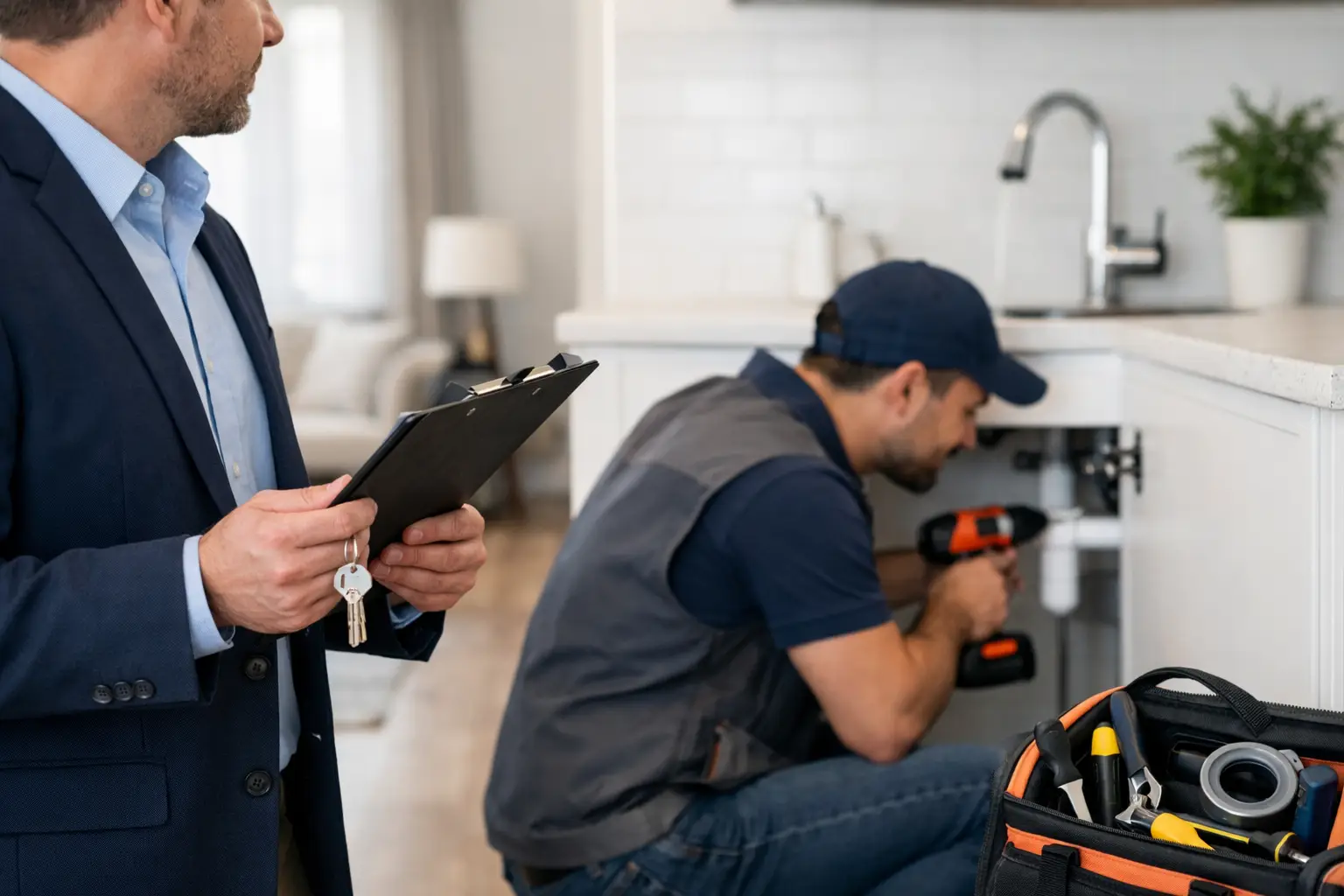
A leaking pipe under the kitchen sink rarely stays a small problem for long. What starts as a drip can become damaged flooring, mould, unhappy tenants and a larger bill a week later. That is why a clear guide to landlord repair responsibilities matters - not just for legal compliance, but for protecting the property and keeping tenancies running smoothly.
In the UK, repair responsibilities are not always as simple as landlords handle everything and tenants handle nothing. The basic rule is that landlords must keep the structure, exterior and key installations in good repair, while tenants are usually expected to use the property in a tenant-like way and report issues promptly. The detail, though, is where disputes often start.
Guide to landlord repair responsibilities in the UK
For most residential tenancies in England and Wales, landlord repair duties are shaped by the Landlord and Tenant Act 1985, along with tenancy terms and wider health and safety rules. Scotland and Northern Ireland have their own frameworks, but the practical principles are broadly similar - if something affects the safety, liveability or core function of the home, the landlord usually has a duty to deal with it.
This generally includes the structure and exterior of the property. Roofs, walls, windows, external doors, drains, gutters and outside pipes usually sit with the landlord. If the boiler stops working, the electrics become unsafe or there is a problem with water, gas or sanitation systems, that is normally the landlord's responsibility too.
It also covers installations for heating, hot water, basins, sinks, baths, toilets and pipework. If a toilet stops flushing because of a worn-out internal part, or the heating system fails in winter, that would usually fall to the landlord. These are not cosmetic problems. They affect whether the property is fit to live in.
Where landlords sometimes get caught out is assuming they are only responsible once a major failure happens. In practice, if an item they are responsible for is deteriorating and likely to fail, delaying action can make matters worse. A cracked gutter, loose roof tile or persistent damp patch may seem minor until it becomes a more expensive repair and a stronger complaint.
What landlords usually do not have to repair
Not every issue in a rented property is a landlord issue. If a tenant causes damage through carelessness or misuse, the landlord can usually expect the tenant to put it right or cover the cost. A smashed internal door, a blocked sink caused by inappropriate waste, or holes in walls beyond fair wear and tear are common examples.
There is also a difference between repairs and improvements. Landlords are generally required to repair what is already there, not automatically upgrade it. If an old but working kitchen is dated, that is not the same as a repair issue. If a cupboard door comes off because the hinges have failed, that is a repair. If the tenant simply wants newer units, that is an improvement request.
Decoration can be another grey area. Peeling paint caused by a leak may link back to a landlord repair duty. Scuffed walls from ordinary living may not. The cause matters as much as the visible damage.
Timeframes depend on urgency
One of the most common questions in any guide to landlord repair responsibilities is how quickly repairs need to be done. There is no single fixed deadline for every issue. The standard is usually whether the landlord acted within a reasonable time after being notified.
Urgent repairs should be dealt with quickly, often within 24 hours to a few days depending on the issue. Total loss of heating or hot water in cold weather, serious leaks, unsafe electrics, a blocked toilet where there is no alternative, or insecure external doors all fall into that category. These are problems that can affect health, safety or security.
Less urgent repairs may reasonably take longer, especially if parts need to be ordered or access must be arranged. A dripping tap or sticking internal door still deserves attention, but not on the same timeline as a ceiling leak. Reasonable does not mean open-ended, though. Good communication matters. Tenants are far less likely to escalate a complaint when they know what is happening and when a tradesperson is due.
Notice, access and the landlord's duty
A landlord is not expected to fix problems they do not know about. In most cases, the tenant needs to report the issue before the repair duty becomes active. That is why written reporting is so useful. It creates a record of when the problem was raised and what was said.
Once notified, the landlord should investigate and arrange access. Usually, at least 24 hours' notice is expected before entering the property, unless there is an emergency such as a burst pipe or suspected gas leak. Tenants cannot unreasonably refuse access for necessary repairs, but landlords also cannot simply turn up and let themselves in.
From a practical point of view, speed and documentation solve a lot of problems. A clear report, a prompt response and a booked appointment with a qualified local tradesperson often stop a minor issue becoming a formal dispute.
Damp, mould and hidden causes
Damp and mould are among the most disputed repair issues in rental property. Some cases are linked to condensation and daily living patterns. Others are caused by defective gutters, roof leaks, failed damp proofing, poor insulation or inadequate ventilation.
That is why blame should not be assigned too quickly. If mould is appearing because an extractor fan is broken or there is penetrating damp from the outside wall, the landlord may well be responsible. If the property is sound but rooms are not being ventilated at all, the position may be more mixed. Often, it is a combination of building condition and occupancy habits.
The sensible approach is to inspect the cause rather than argue over the symptom. Damp that keeps returning usually needs a proper diagnosis, not just another coat of paint.
Health and safety obligations go further than basic repairs
Repair responsibilities overlap with wider legal duties. Gas appliances must be maintained safely. Electrical systems must be safe. Smoke alarms and, where required, carbon monoxide alarms need to be installed and working. Hazards such as loose bannisters, dangerous steps or unsafe glazing can quickly move beyond inconvenience into a genuine risk issue.
For landlords and managing agents, this is where using trusted professionals matters. A cheap patch repair that leaves an electrical fault unresolved or a leak half-fixed can create bigger liability later. Competent, verified tradespeople help landlords show they acted responsibly and took the issue seriously.
When tenants can take further action
If a landlord ignores repair issues after being told about them, tenants may be able to escalate the matter. That can involve contacting the local council, especially if the disrepair affects health or safety. In some cases, tenants may seek compensation or take legal action, although this is usually a last step rather than the starting point.
Landlords should not wait for that stage. Even where there is a genuine dispute about cause or responsibility, it is usually better to inspect early, document findings and deal with any urgent risks first. Delay is often what turns a manageable repair into a formal complaint.
Getting repairs handled properly
Good repair management is less about legal jargon and more about having a reliable process. Landlords need to know what they are responsible for, tenants need a clear route to report problems, and both sides need confidence that the person doing the work is competent.
For planned maintenance, that might mean booking a roofer, plumber or electrician before a small defect spreads. For urgent problems, it means finding someone local who can respond quickly and do the job safely. Platforms such as VeriTrade UK are built around that practical need - helping property owners and managers find trusted local tradespeople without adding more uncertainty to an already stressful repair.
The strongest approach is simple: act early, keep records, and treat repairs as part of protecting the value and safety of the property, not just a cost to delay. When landlords do that, tenants are more likely to stay cooperative, small issues are less likely to become expensive ones, and the property remains a place people can actually live in with confidence.
If you are ever unsure where responsibility sits, start with the cause of the problem, how urgent it is and whether it affects the structure, essential services or safety of the home. That usually points you to the right answer faster than the tenancy argument ever will.