
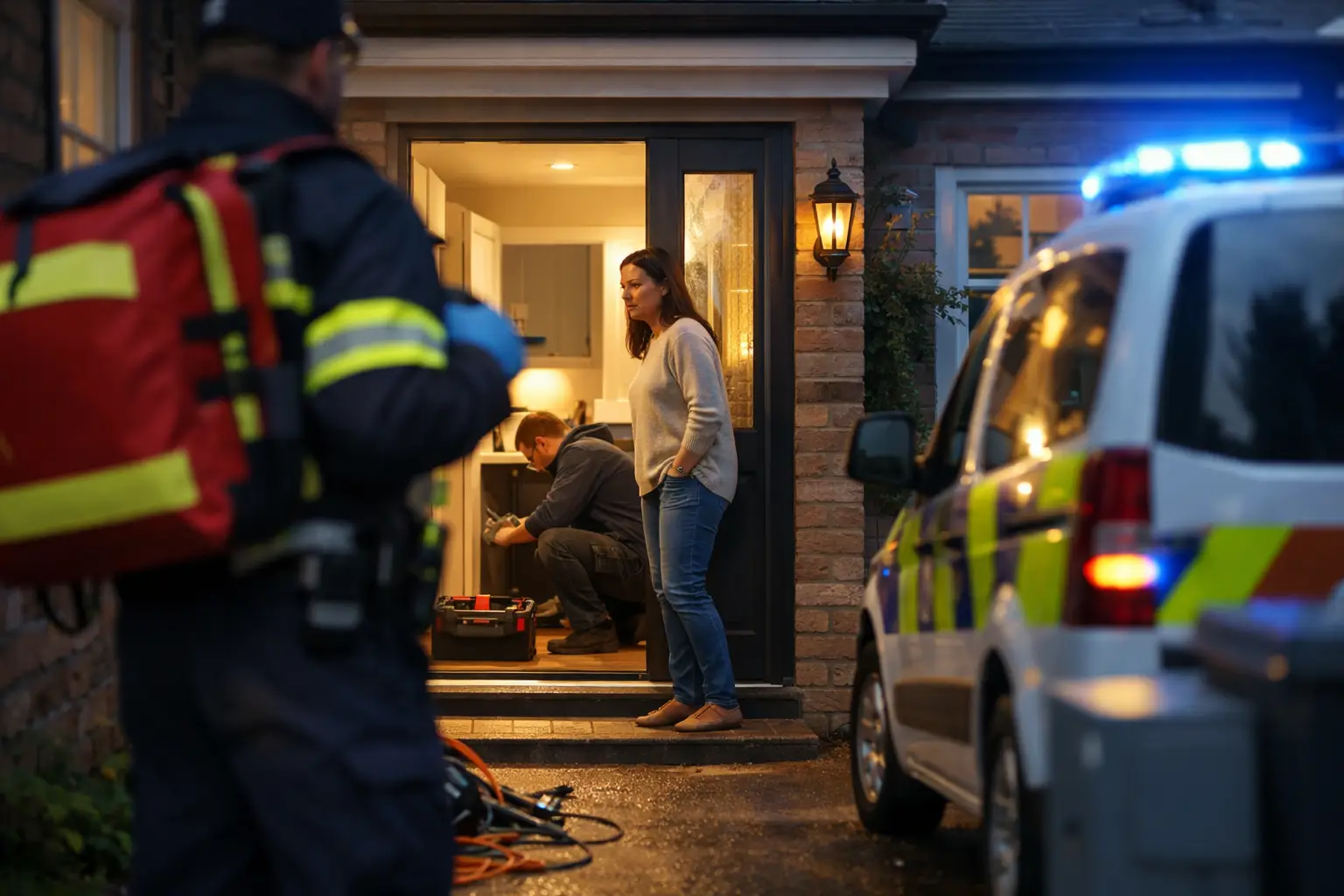
A burst pipe at 10pm, a complete power loss or a front door that will not lock can turn a normal evening into a property emergency quickly. This guide to emergency home callouts explains what to do first, when to call a tradesperson and how to get the right help without making a rushed decision you later regret.
The priority is always safety. Then comes limiting further damage, recording what has happened and finding a qualified local professional who can attend. Fast action matters, but so does knowing what work is genuinely urgent.
What counts as an emergency home callout?
An emergency callout is for a fault that presents an immediate risk to people, security or the fabric of the property. It is not simply a repair that is inconvenient. A dripping tap can usually wait; water pouring through a ceiling cannot. A single faulty socket may be isolated until morning; burning smells, sparks or a loss of power affecting essential equipment need urgent attention.
Common reasons to call for emergency help include:
- A burst pipe, major leak or overflowing water that cannot be stopped
- No heating or hot water during very cold weather, particularly where children, older people or vulnerable residents are affected
- Electrical burning smells, smoke, sparking, electric shocks or a total power issue within the property
- A gas smell, suspected carbon monoxide leak or a carbon monoxide alarm sounding
- A broken external door, window or lock that leaves the home insecure
- A blocked drain or sewage backup creating a hygiene risk
It depends on the circumstances. A failed boiler may be urgent in winter but less critical on a mild day if safe temporary arrangements are possible. Equally, a small roof leak can become an emergency during heavy rain if water is reaching electrics or causing a ceiling to sag.
Make the situation safe before you call
Do not attempt repairs beyond your knowledge or put yourself at risk to save time. A few sensible first steps can reduce the damage while you arrange an emergency home callout.
For a water leak, turn off the internal stopcock if you can safely reach it. It is often located under the kitchen sink, near the water meter or where the mains supply enters the home. Switch off the electricity at the consumer unit if water is close to sockets, lights or electrical appliances, but only if it is safe to do so. Move valuables away from the affected area and use buckets or towels to contain water where practical.
If you smell gas or suspect carbon monoxide, open doors and windows, leave the property and avoid switches, naked flames and electrical devices. Call the National Gas Emergency Service on 0800 111 999 from outside. This is not a job for a general handyman or an unqualified person.
With electrical faults, do not touch exposed wiring or appliances that may be live. If there is smoke, fire or a serious immediate danger, leave the property and call 999. For faults that can be safely isolated at the consumer unit, an emergency electrician can assess and repair the cause.
If a door or window is damaged after a break-in, contact the police first where a crime may have occurred. Avoid disturbing evidence, then arrange a locksmith, glazier or boarding-up service to secure the property.
Give the tradesperson the details that save time
Emergency rates can be higher than planned work because a professional is attending outside normal hours, travelling at short notice and rearranging their schedule. Clear information helps them bring the right equipment, assess urgency and give you a more realistic estimate before they arrive.
Explain what has happened, when it started and what you have already done. Mention any immediate hazards, such as standing water near electricity, a vulnerable occupant or a property that cannot be secured. Photos and short videos can be useful for leaks, visible damage and access issues, provided taking them does not put you in danger.
You should also confirm the property type, postcode, parking or access restrictions, and whether you are the owner, tenant, landlord or managing agent. A tradesperson may need authorisation before carrying out work, especially in a rented property or block of flats.
Ask whether there is a callout charge, how out-of-hours pricing works and whether the first visit is likely to be a temporary make-safe repair or a full fix. In some cases, such as a failed part in a boiler or extensive water damage, the immediate job is to stop the risk and return later with the correct materials. That is often the safest and most cost-effective approach.
Choose the right trade for the problem
The quickest route to a solution is not always the first person who answers the phone. Match the problem to the appropriate professional.
A plumber is normally the right choice for burst pipes, leaking radiators, water tanks, toilets and internal drainage issues. For a boiler breakdown, loss of heating or suspected gas appliance fault, use a Gas Safe registered engineer. An electrician should handle faulty circuits, consumer units, electrical heating controls, burning smells and power faults within the home.
A locksmith can secure damaged doors and replace failed locks. A glazier or emergency boarding-up specialist may be needed for broken windows. Roofers and builders can help with storm damage, but if water is entering near electrical fittings or structural collapse is a risk, make the area safe first and explain the hazard when requesting help.
For homeowners, tenants and property managers, verified local tradespeople reduce some of the uncertainty that comes with an urgent hire. VeriTrade UK helps you connect with trusted professionals in your area, so you can focus on getting the property safe rather than searching through unverified listings.
Check trust signals even when time is short
Urgency should not mean abandoning basic checks. You are allowing someone into your home and authorising potentially costly work, so take a minute to confirm the essentials.
Look for clear business details, relevant qualifications and evidence that the tradesperson regularly carries out the type of work you need. Gas work requires Gas Safe registration. Electrical work may require a suitably qualified electrician, particularly where certification is needed. For larger remedial work after the emergency, ask about public liability insurance and written scope before agreeing to anything beyond the immediate repair.
Be cautious if someone pressures you for a large cash payment before attending, will not explain their charges or insists that major work must begin immediately without giving you time to consider it. A legitimate emergency professional should be able to explain what they can do on the first visit, what it is likely to cost and what may need further investigation.
Where possible, request confirmation of the callout fee and hourly rate in writing. Keep copies of messages, invoices, photographs and any certificates issued. These records can help with landlord communication, insurance claims and follow-up repairs.
Tell your insurer or landlord at the right time
If the damage could lead to a claim, contact your insurer as soon as the property is safe. Most insurers expect you to take reasonable steps to prevent further loss, which can include arranging an emergency plumber to stop a leak or boarding up a broken window. They may have approved contractors or specific instructions for larger repairs.
Do not delay essential make-safe work while waiting for an insurer to respond, but avoid authorising extensive restoration work until you understand the cover and approval process. Keep the damaged items where safe to do so, and take photographs before and after emergency work.
Tenants should report emergencies to their landlord or letting agent immediately, following the emergency contact process in their tenancy agreement. If you cannot reach them and there is an urgent risk of damage or injury, arranging a necessary make-safe repair may be reasonable. Keep a full record of attempted contact, costs and the reason for acting.
Landlords and property managers should make sure residents know where the stopcock, consumer unit and emergency contact details are. A clear out-of-hours process prevents a manageable problem becoming a much larger repair bill.
After the callout: do not stop at the temporary fix
Once the leak is stopped, power is restored or the property is secure, ask the tradesperson what caused the issue and whether further work is needed. A temporary repair can be exactly the right response overnight, but it should not become a permanent solution by accident.
Check the invoice against the work completed and ask for any relevant paperwork, including electrical certificates or gas safety documentation. If moisture has affected walls, flooring or ceilings, monitor the area over the following days. Hidden water damage can lead to mould, damaged plaster or electrical issues if it is left untreated.
A calm plan makes emergencies easier to handle. Save key contacts, learn where your isolation points are and choose trusted local tradespeople before a problem occurs. When the unexpected happens, you will be ready to act quickly, safely and with confidence.